
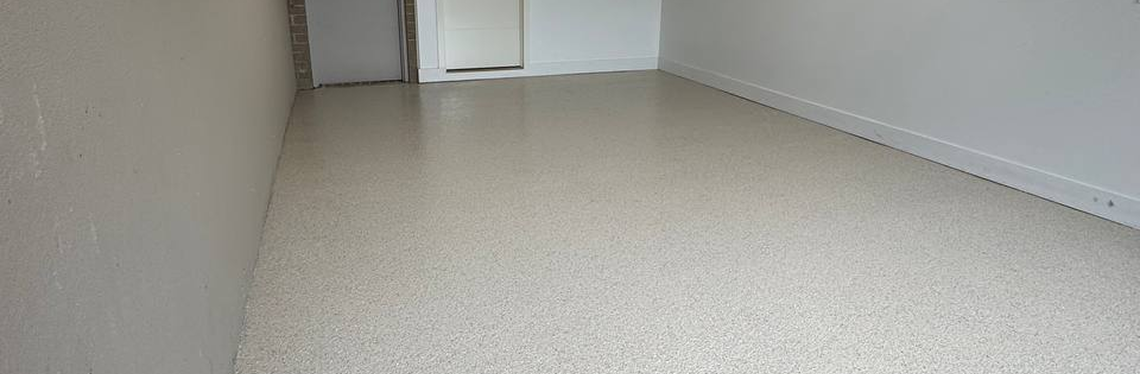
It’s one of the first questions most Melbourne homeowners ask before committing to an epoxy garage floor: how long is this actually going to last? And it’s a fair one. You’re spending real money on a garage floor upgrade — the last thing you want is a coating that starts peeling in two years.
The honest answer is that it depends heavily on three things: how the floor was prepared, the quality of the epoxy system applied, and how you maintain it afterward. A professionally installed system in a Melbourne garage can last anywhere from 10 to 20 years. A budget DIY kit from a hardware store? Closer to 2 to 4 years, if you’re lucky.
Quick answer
Professional two-part epoxy garage floors in Melbourne: 10–20 years. Budget single-part epoxy paint systems: 2–5 years. The single biggest factor is surface preparation — diamond-ground floors outlast acid-etched floors by years, regardless of which epoxy product is applied on top.
Epoxy Lifespan by System Type
Not all epoxy flooring is the same product. The word “epoxy” gets used loosely to describe everything from thin water-based paint to thick, professional two-part commercial systems. These are completely different products with vastly different lifespans.
lifespan
(2-part)
system
garages
topcoat
years
use garages
What Actually Affects How Long Your Floor Lasts
After years of installing and inspecting professional garage epoxy flooring across Melbourne, there are a handful of factors we see come up again and again when a floor fails earlier than it should.
Surface preparation — the biggest variable of all
This is where most short-lived epoxy floors go wrong, and it’s the part most homeowners don’t see happening. Diamond grinding mechanically abrades the concrete to create a profile that locks the epoxy in. Acid etching only chemically opens the pores — it’s faster and cheaper, but the mechanical bond is weaker, and in Melbourne’s temperature extremes, that weakness shows up early as peeling and delamination.
Two floors installed on the same day, using the same epoxy product — one diamond ground, one acid etched — will have measurably different lifespans. The diamond-ground floor will consistently outlast the acid-etched one by 5 to 8 years.
The epoxy product itself
Commercial two-part epoxy systems use a resin and a hardener mixed together on site. Once cured, they form a thick, chemically bonded surface that’s genuinely hard to damage. Thin single-part water-based epoxy paints — the kind sold at hardware stores — don’t cross-link the same way. They sit on top of the concrete rather than bonding with it, which is exactly why they peel.
Number of coats and total dry film thickness
A professional system includes a penetrating primer, a build coat, a decorative mid-coat (for flake systems), and a clear polyurethane or polyaspartic topcoat. The total dry film thickness matters — more thickness means more protection. Budget jobs often skip the primer or apply a thinner mid-coat to cut costs. That’s invisible at handover but very visible three years later.
A UV-stable topcoat
Standard epoxy yellows in UV light. If your garage gets direct sun through the door for part of the day, an aromatic epoxy without a UV-stable topcoat will visibly discolour within 2 to 3 years. A polyurethane or polyaspartic clear topcoat solves this completely — it’s one of the most important spec items to check in any quote.
Traffic type
A single daily driver is very different from a garage workshop with foot traffic, tools being dropped, vehicle lifts, and chemical spills. A floor doing heavy daily work needs a more robust system from the start — and a maintenance topcoat sooner.
How Melbourne's Climate Plays a Role
Melbourne’s climate is genuinely tough on garage floors. The city’s notorious temperature swings — scorching summer days pushing 40°C followed by 18°C nights, and cold damp winters — cause concrete slabs to expand and contract repeatedly through the year.
A rigid epoxy coating that’s bonded properly handles this thermal cycling without issue. One with a weak mechanical bond will eventually start to crack or lift at the edges as the slab moves beneath it. This is particularly common in older Melbourne homes where the garage slab was poured without expansion joints.
Humidity also matters. Epoxy must be applied to dry concrete — moisture vapour transmission from a damp slab is one of the leading causes of premature delamination. A good contractor will test moisture levels before applying anything. In Melbourne suburbs with higher water tables — parts of the inner north, bayside suburbs, and the outer east — this moisture check is genuinely important.
Melbourne-specific risk
Garages with west or north-facing doors get direct afternoon sun for several hours a day. Without a UV-stable polyurethane topcoat, standard epoxy resin will yellow noticeably within 2–3 years. Always confirm that UV-stable topcoat is included in your quote — it’s a non-negotiable for Melbourne’s sun exposure.
How to Maintain Your Epoxy Garage Floor in Melbourne
Pro tip
The worst thing you can do to an epoxy garage floor in Melbourne is pressure wash it. High-pressure water forces itself into any micro-edges and under the coating at seams. Use a regular mop — it’s faster, gentler, and far kinder to the topcoat.
Warning Signs Your Epoxy Floor Needs Attention
Epoxy floors don’t fail overnight — they give you signals. Catching these early means a relatively minor maintenance fix rather than a full recoat. Here’s what to look for:
- Dull patches that won’t clean up. If sections of the floor have lost their sheen and a clean mop doesn’t restore it, the topcoat is wearing through. This is normal after many years of use — it’s time for a maintenance topcoat, not a full replacement.
- Surface chipping near edges or heavy-traffic zones. Small chips and micro-cracking at the perimeter or around drains can indicate the primer coat is losing adhesion. Address this early — left unchecked, moisture gets in and delamination spreads.
- Yellowing or discolouration. If the floor was installed without a UV-stable topcoat and you have a sun-exposed garage, yellowing is unfortunately permanent in the affected coat. A new UV-stable topcoat over the surface will stop further progression.
- Bubbling or blistering. These indicate moisture vapour pushing up from below — often caused by poor moisture testing at installation time. This requires professional assessment before any recoating is done, as sealing over active moisture vapour makes the problem worse.
- Large delaminated sections. If sizeable areas are peeling or lifting, the floor needs a full assessment. Depending on what’s underneath, you may be looking at a full recoat — or a surface preparation and recoat without the base layers, if the primer coat is still bonded.
Recoat or Full Replacement?
Most Melbourne garage epoxy floors that are showing age don’t need a complete strip-back and reinstall. A recoat — light mechanical preparation of the existing surface, followed by a fresh build coat and topcoat — is sufficient in most cases and costs roughly 40 to 60% less than a full reinstall.
A full replacement is usually required when: the base primer coat has failed and is delaminating, active moisture vapour is coming through the slab, or the floor was originally installed over a contaminated surface (oil, old paint, silicone sealer) that wasn’t properly removed.
To understand what you’re working with, read our epoxy flooring cost breakdown — it covers both new installations and recoat pricing in detail so you can compare properly before making a decision.
Quick rule of thumb
If the floor is worn but the base coat is still adhering — a screwdriver-scratch test that doesn’t lift the coating — a recoat is the right move. If sections are already delaminating or there’s bubbling, get a professional assessment before spending anything.
Get a Free On-Site Assessment for Your Garage Floor
Not sure whether your floor needs a maintenance topcoat, a recoat, or a new installation? We’ll visit your garage, assess the current condition, and give you an honest recommendation — no obligation, no pressure.
Your Rights if the Floor Fails Early
If your professionally installed epoxy garage floor fails significantly before the warranted period — peeling within two years, widespread delamination within five — you have rights under Australian Consumer Law. Tradesperson services in Victoria must be delivered with due care and skill, using materials fit for purpose. Early failure due to workmanship or product issues is a breach of those consumer guarantees.
The Fair Trading Victoria guide to consumer guarantees for home improvement services covers exactly what you’re entitled to and how to pursue a remedy if a contractor doesn’t respond appropriately. It’s worth reading before you hire anyone, so you understand what a proper written warranty should cover.
From a practical standpoint: always get your warranty terms in writing before work starts, document the installation with photos, and keep any product data sheets the contractor provides. These are your evidence base if anything needs to be disputed later. If you’re still in the research stage, our guide on how to get an accurate epoxy garage floor quote in Melbourne explains exactly what a solid written quote and warranty should include.
The Bottom Line on Epoxy Floor Lifespan
The short version: a professionally installed epoxy garage floor in Melbourne is a long-term investment that, if done properly, you should only need to think about once a decade. The difference between a floor that lasts 5 years and one that lasts 20 comes down almost entirely to what happens before the first coat goes on — surface preparation, moisture testing, and primer quality.
If you’re weighing up a new installation, a recoat, or just trying to understand whether what you’ve been quoted is worth the money, we’re happy to walk through it with you. Request a free on-site quote and we’ll assess your floor, explain what we’d recommend and why, and give you a fixed written price — no obligation to go ahead.
Frequently Asked Questions
How long does an epoxy garage floor last in Melbourne?
A professionally installed epoxy garage floor in Melbourne typically lasts 10 to 20 years. The wide range reflects the difference between entry-level systems and premium multi-coat systems with UV-stable topcoats. Budget DIY epoxy paints last 2 to 4 years. The quality of surface preparation is the single biggest predictor of lifespan.
What shortens the lifespan of an epoxy garage floor?
The main culprits are: acid-etch preparation instead of diamond grinding, using thin single-part epoxy paint, no UV-stable topcoat in a sun-exposed garage, abrasive or acidic cleaners, rubber-backed mats left in the heat, and skipping the maintenance topcoat when the surface starts showing wear.
How do I maintain an epoxy garage floor in Melbourne?
Sweep weekly to remove grit, mop monthly with a pH-neutral cleaner, wipe spills promptly, avoid pressure washing and rubber-backed mats, and apply a maintenance topcoat every 7–10 years in a regularly used garage. These five habits are genuinely all you need.
When should I recoat my epoxy garage floor?
Consider a maintenance topcoat when you see dull patches that don’t clean up, minor surface chipping, or a general loss of protective sheen. For most Melbourne garages this comes up around the 8–12 year mark. A full recoat is only needed if the base coat has failed or moisture is coming through the slab.
Does Melbourne's climate affect how long epoxy flooring lasts?
Yes. Melbourne’s large daily and seasonal temperature swings — hot dry summers, cold wet winters — put thermal cycling stress on concrete slabs and the coatings bonded to them. A well-prepared diamond-ground surface handles this without issue. A poorly bonded acid-etched system will start showing cracks and edge lifting sooner. UV exposure from open garage doors is also a factor — a UV-stable topcoat is essential.
Can an epoxy garage floor be repaired rather than replaced?
In most cases, yes. Small chips and worn areas can be spot-patched. Wider surface wear across a well-bonded floor can be addressed with a maintenance topcoat rather than a full recoat. Only floors with widespread delamination or active moisture problems need full replacement. An on-site assessment is the best way to tell which situation you’re dealing with.
Get your free on-site quote
We visit your garage, assess your slab, discuss your finish options, and give you a detailed written quote — specific to your floor, not a generic estimate. No call-out fee, no obligation.